Buying your first home can feel exciting right up until the details start piling up. In the Powers Corridor, that learning curve matters even more because this part of Colorado Springs is still growing, with a mix of newer homes, expanding infrastructure, and costs that can look different from one community to the next. If you want to buy with more confidence, this guide will help you understand what to expect, what to budget for, and what to ask before you make an offer. Let’s dive in.
Why first-time buyers look at Powers
The Powers Corridor sits on the east side of Colorado Springs and is widely known for its residential growth, retail access, and convenience. Powers Boulevard helps connect the area, and the corridor continues to be a major part of the region’s development pattern.
For many first-time buyers, that mix is the draw. You can find neighborhoods with newer homes, everyday shopping nearby, and a range of housing options that may fit different budgets and lifestyles.
Visit Colorado Springs highlights the area’s strong retail presence, including First & Main Town Center with more than 80 shops, restaurants, and entertainment spots. The area also includes access to places like the Citadel Mall and Asian Pacific Market, which can make daily errands feel easier once you move in.
What the local market means for you
Colorado Springs is still dealing with housing pressure across the region. According to the city’s 2025 regional housing assessment, the area had a shortage of 27,712 housing units as of 2023 and needs 60,034 more homes by 2035.
That does not mean every home in Powers will be out of reach. It does mean you should go in with a realistic plan, a clear budget, and the expectation that some homes may attract strong interest.
A conservative budget matters here. The same regional assessment notes that more than half of renters and nearly one in three homeowners spend more than 30 percent of income on housing, which is a reminder to focus on the full monthly cost and not just the list price.
Homes you may see in Powers
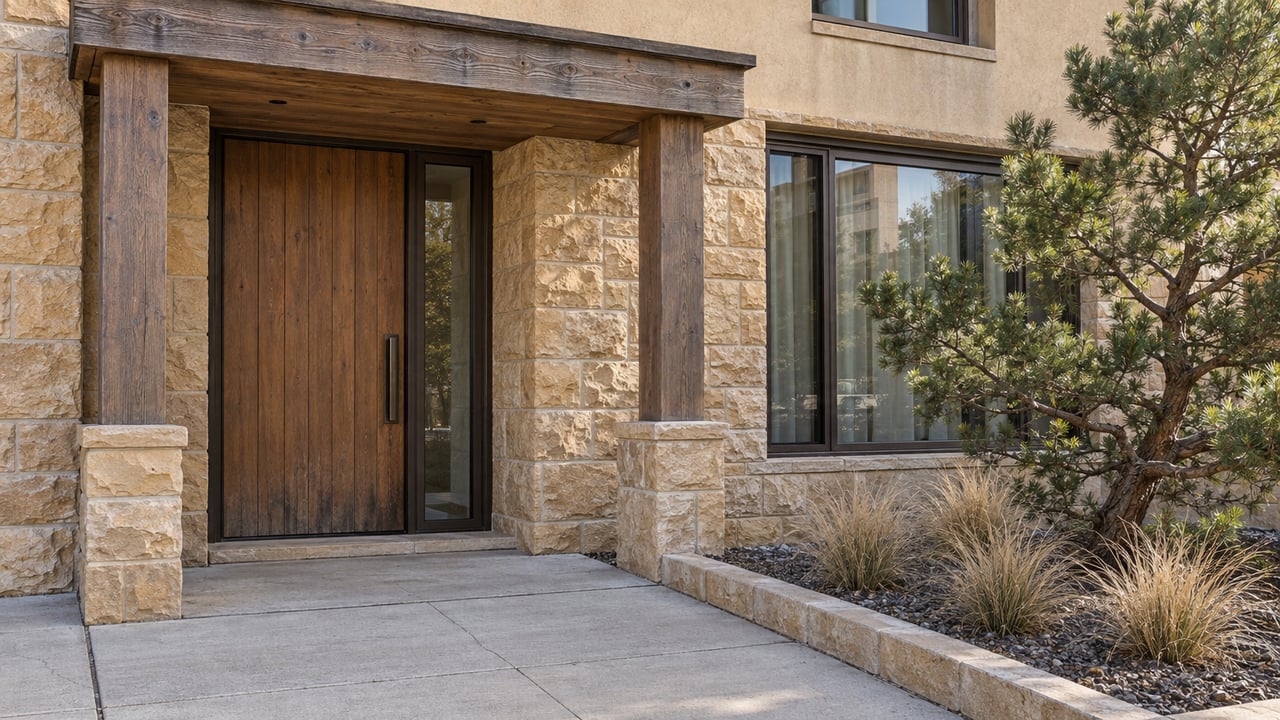
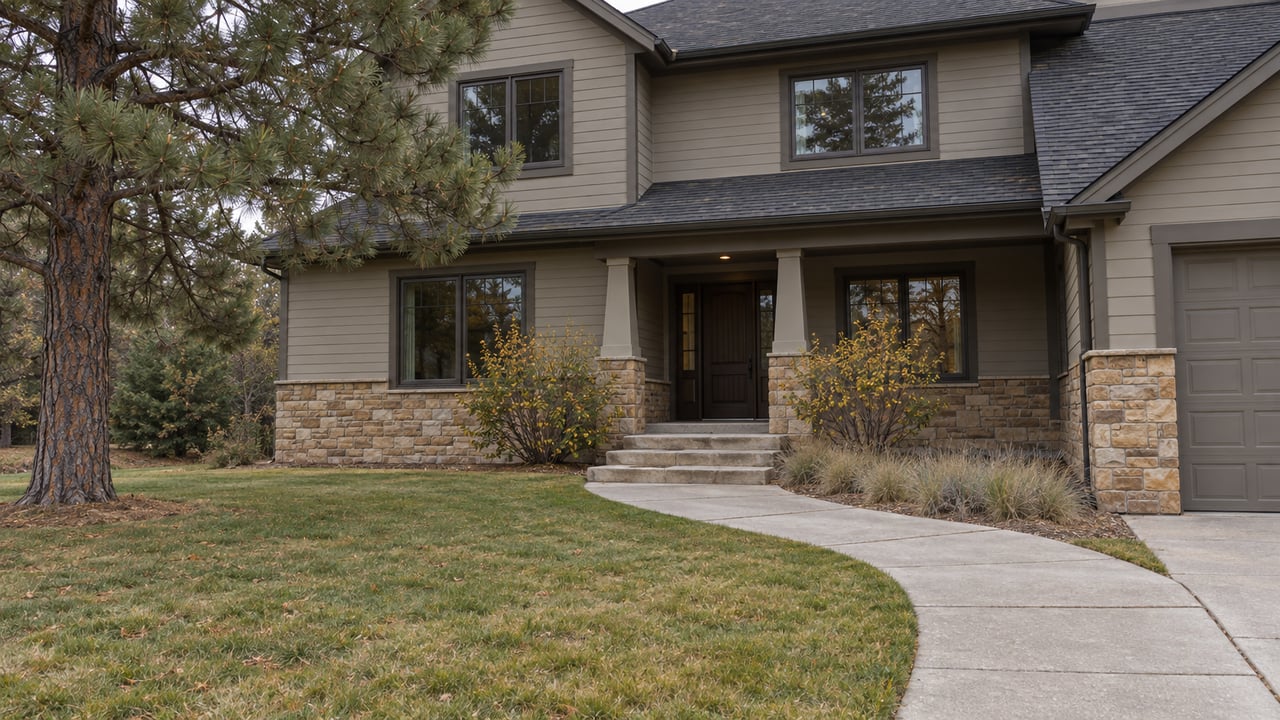
One of the biggest advantages of the Powers Corridor is variety. This is not a one-style area where every neighborhood looks or feels the same.
Some communities feature newer single-family homes. Bradley Ranch, for example, includes 359 single-family homes built between 2021 and 2024 on the east side of North Union Boulevard near Tochal Drive, about a mile from North Powers Boulevard.
Larger east-side communities can also offer different home formats. Banning Lewis Ranch says homes there range from the 200s to the 500s and may include bungalow, carriage home, duet, and single-family options.
For a first-time buyer, that means it is worth comparing more than one neighborhood and more than one home type. A detached home, an attached option, or a newer low-maintenance property can each change your monthly costs, upkeep, and long-term plans.
Look beyond the home itself
In a fast-growing area, the home is only part of the decision. You also want to understand how the surrounding area may change over time.
The City of Colorado Springs is continuing work on the Powers Boulevard Extension project to improve mobility and reduce congestion. The current plan includes bridge construction beginning in early 2026 and phased roadway construction through at least 2030.
The city is also studying traffic noise along the extension. If you are considering a home near the corridor, pay attention to future access, construction timing, and possible noise exposure in addition to floorplan, finishes, and price.
This is especially important for first-time buyers because nearby road work can affect your day-to-day experience after closing. A home that looks like a great fit today should also make sense for how the area may function over the next several years.
Budget for the full monthly payment
Many first-time buyers focus on down payment and mortgage amount first. That is important, but it is only part of the picture.
Your real monthly housing cost can include:
- Principal and interest
- Property taxes
- Homeowners insurance
- HOA dues
- Metro district taxes or fees, if applicable
- Mortgage insurance, depending on your loan and down payment
The Consumer Financial Protection Bureau also notes that upfront costs may include lender or origination fees, points, appraisal costs, title insurance, government fees, prepaid interest, escrow deposits, inspections, and other purchase-related expenses.
You also do not need a 20 percent down payment to buy a home. CFPB states that smaller down payments are possible, though they may come with mortgage insurance.
Why HOA and metro district costs matter
This is one of the most important parts of buying in the Powers Corridor. In newer Colorado Springs developments, you may run into HOA dues, metro district mill levies, or both.
Colorado HOAs are governed by the Colorado Common Interest Ownership Act. The state’s HOA Information and Resource Center says it is a consumer information resource and not a regulator, and disputes between homeowners and associations are civil matters.
That makes document review especially important before you buy. DORA says associations must adopt budgets, provide notice of budget meetings, allow owner review and possible veto of a proposed budget, and make certain records available for owner inspection within legal limits.
You should review:
- The declaration and rules
- Current dues
- Budget information
- Reserve policy
- Insurance information
- Record-access policies
- Any note of special assessments or expected changes
Metro districts are another local factor that can affect affordability. The City of Colorado Springs explains that metropolitan districts are independent entities that can issue bonds for public improvements and, in some cases, maintain and operate facilities.
That matters because metro districts can add to your property tax burden. Bradley Ranch’s district page, for example, says the district collects property taxes to repay debt used to finance roads, utility lines, and other public infrastructure, while also maintaining open space and recreational facilities.
Before you write an offer, verify whether the property includes an HOA, a metro district, or both. That one step can give you a more accurate picture of your monthly payment.
A smart first-time buyer timeline
A good plan can lower stress and help you move quickly when the right home appears. In a market with ongoing housing pressure, preparation is a real advantage.
A practical timeline for buying in Powers often looks like this:
- Get preapproved.
- Complete any required homebuyer education.
- Compare loan options.
- Tour homes and communities.
- Review HOA and metro district details.
- Make an offer.
- Schedule inspection and appraisal.
- Secure homeowners insurance.
- Close on the home.
HUD also includes key homebuying steps such as figuring out affordability, shopping for a loan, learning about assistance programs, getting a home inspection, and closing. FHA loans may be an option for first-time buyers because they can offer lower down payments.
Colorado programs to know
Colorado buyers should also know about CHFA resources. CHFA offers homebuyer education statewide in English and Spanish, and all CHFA borrowers must individually complete a CHFA-approved class before closing.
Those certificates are valid for 12 months. CHFA also announced a FirstGeneration program in July 2024 that offers up to $25,000 in down payment assistance for eligible first-generation homebuyers, and that assistance may be paired with CHFA first mortgage programs.
If you think you may qualify, it is worth exploring those options early. Assistance programs often work best when you understand the requirements before you start writing offers.
Questions to ask before making an offer
When you find a home you like, slow down long enough to confirm the numbers and responsibilities. In the Powers Corridor, a few targeted questions can save you from surprises later.
Ask questions like these:
- What are the monthly HOA dues?
- What do the HOA dues cover?
- Are any special assessments expected?
- Is the home in a metropolitan district?
- What is the current mill levy or fee structure?
- How will the full monthly payment look with taxes, insurance, HOA dues, and district-related costs included?
- If the home is newer, what is the inspection and punch-list process?
- How close is the home to planned roadway work or future access changes?
These questions are not about being difficult. They are about buying your first home with a clear understanding of what ownership will actually feel like month to month.
How to buy with confidence in Powers
The Powers Corridor can be a strong place to start your homeownership journey if you approach it with a clear plan. The area offers newer housing, major retail access, and a range of community types, but it also comes with details that first-time buyers should understand before they commit.
Your best move is to look at the whole picture. That means comparing home types, studying the total monthly cost, reviewing HOA and metro district documents carefully, and paying attention to how ongoing growth could affect your daily life.
When you have the right guidance, those details become much easier to manage. If you are thinking about buying your first home in the Powers Corridor, CC Signature Group - Camellia Coray can help you navigate the process with clear advice, local insight, and support tailored to your goals.
FAQs
What is the Powers Corridor in Colorado Springs?
- The Powers Corridor is the east side of Colorado Springs, known for residential growth, retail centers, and access along Powers Boulevard.
What types of homes can first-time buyers find in Powers?
- First-time buyers may find newer single-family homes and, in some larger communities, a mix of housing types such as bungalow, carriage home, duet, and other attached or detached options.
What should first-time buyers budget for in Powers?
- You should budget for more than the mortgage, including property taxes, homeowners insurance, possible mortgage insurance, HOA dues, metro district taxes or fees, and upfront closing costs.
What is a metro district in the Powers area?
- A metro district is an independent local entity that may finance and help maintain public improvements, and it can affect your property tax costs.
What HOA documents should buyers review before buying in Powers?
- Buyers should review the declaration, rules, dues, budget, reserve policy, insurance information, and record-access policies before closing.
Are there first-time homebuyer programs available in Colorado?
- Yes. CHFA offers homebuyer education statewide, and eligible first-generation homebuyers may qualify for up to $25,000 in down payment assistance through CHFA’s FirstGeneration program.
Why does future road construction matter when buying near Powers Boulevard?
- Future road work can affect access, congestion, and possible noise exposure, so buyers should consider planned construction along with the home itself.