Wondering if a mountain home can give you both everyday comfort and easy access to Colorado Springs? That is exactly why so many buyers look at Woodland Park and the Ute Pass. If you are considering a primary home, second home, or a property with occasional rental potential, this guide will help you understand what makes the area appealing and what you need to check before you buy. Let’s dive in.
Why Buyers Choose Woodland Park
Woodland Park offers a mountain setting without feeling too far removed from city conveniences. According to Colorado tourism, the town is roughly a 20-minute drive up Ute Pass from Colorado Springs, which makes it attractive if you want mountain scenery with more practical day-to-day access.
The area also has a distinct sense of place. The City of Woodland Park notes that Woodland Park sits at about 8,500 feet at the base of Pikes Peak and has just under 9,000 full-time residents. That smaller scale, paired with mountain views and cooler temperatures, often appeals to buyers who want a year-round retreat feel.
Ute Pass adds another layer of character. The city’s local history materials explain that the pass began as a route used by the Ute people, then became a wagon trail and later a railroad corridor in 1888. Today, that history helps explain why the area often feels more established and eclectic than newer suburban communities.
What Homes Look Like Here
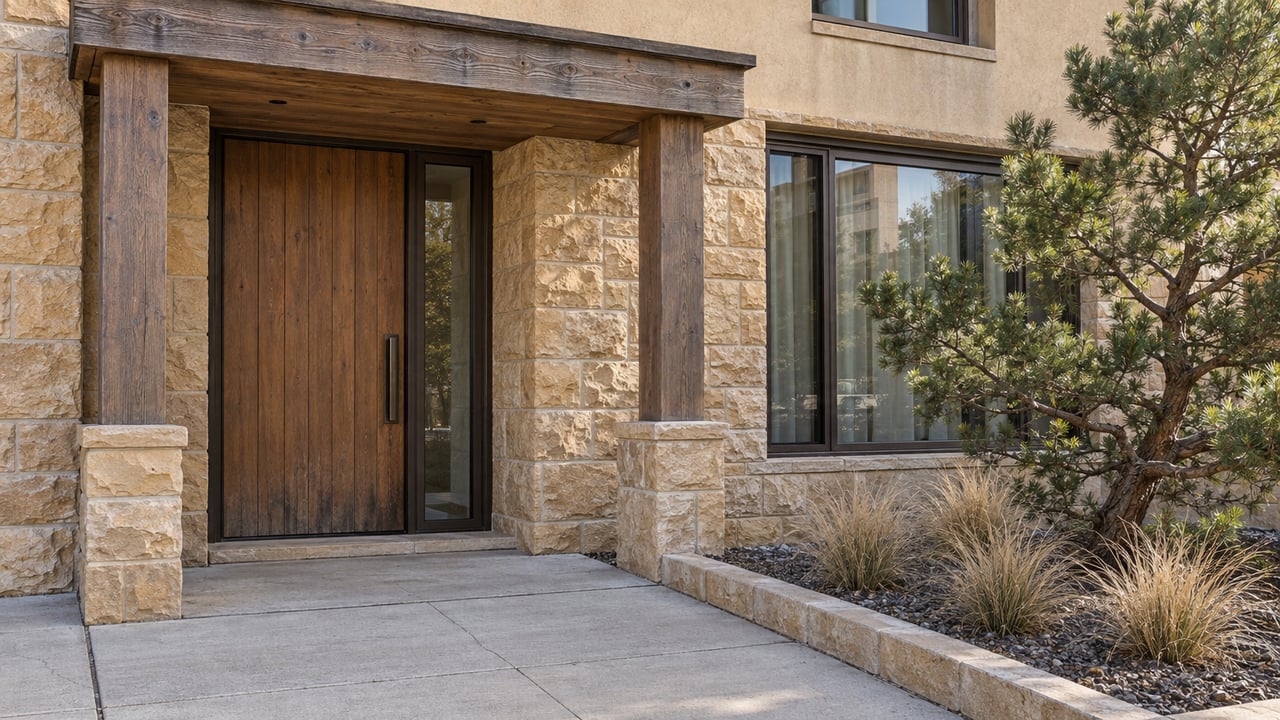
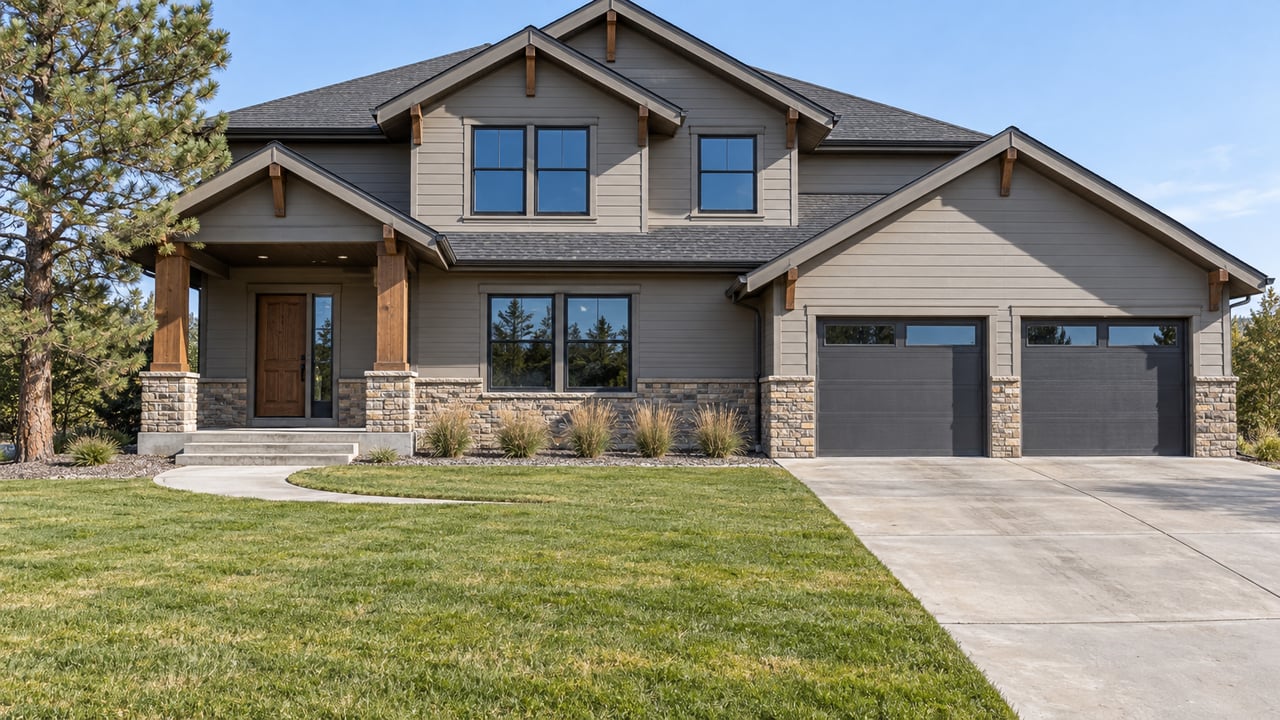
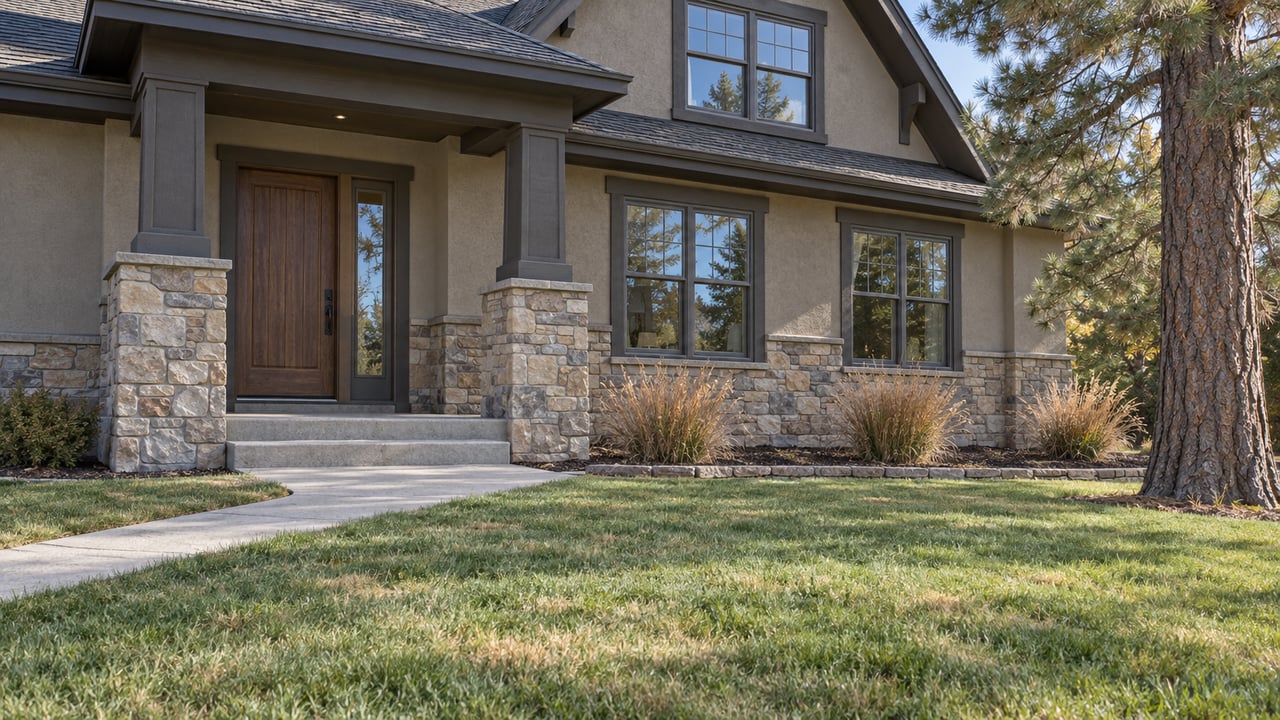
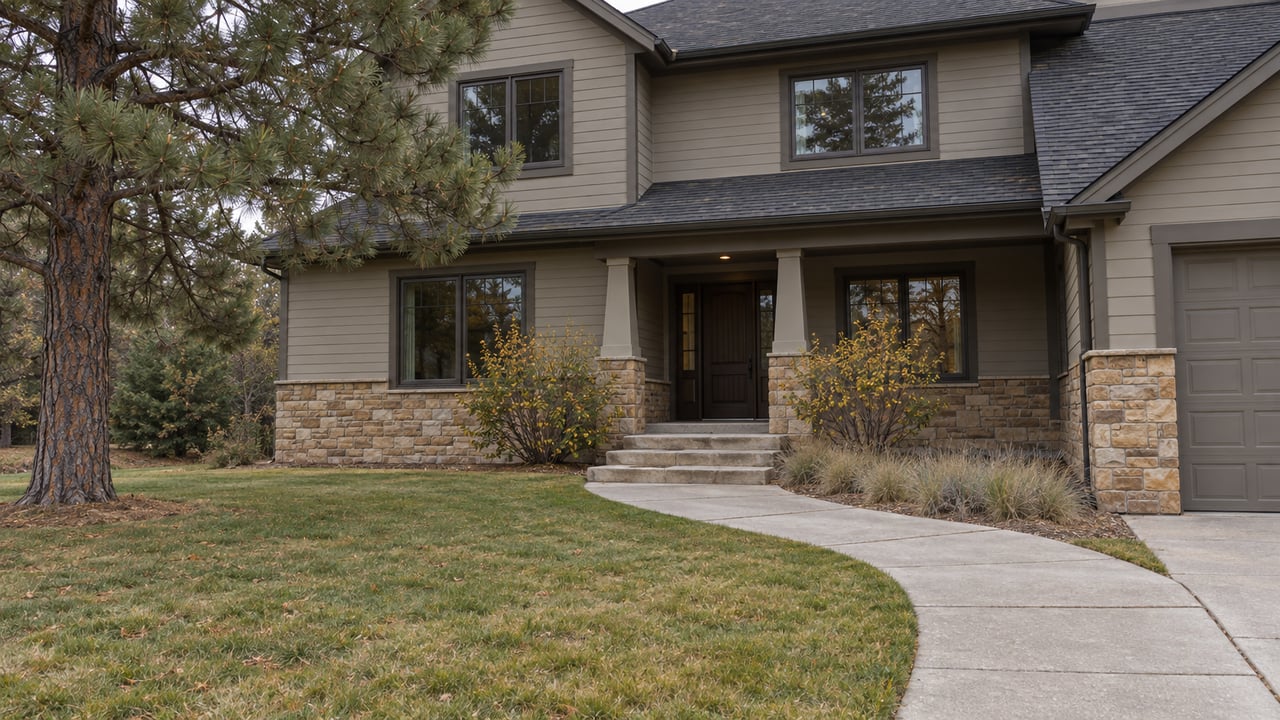
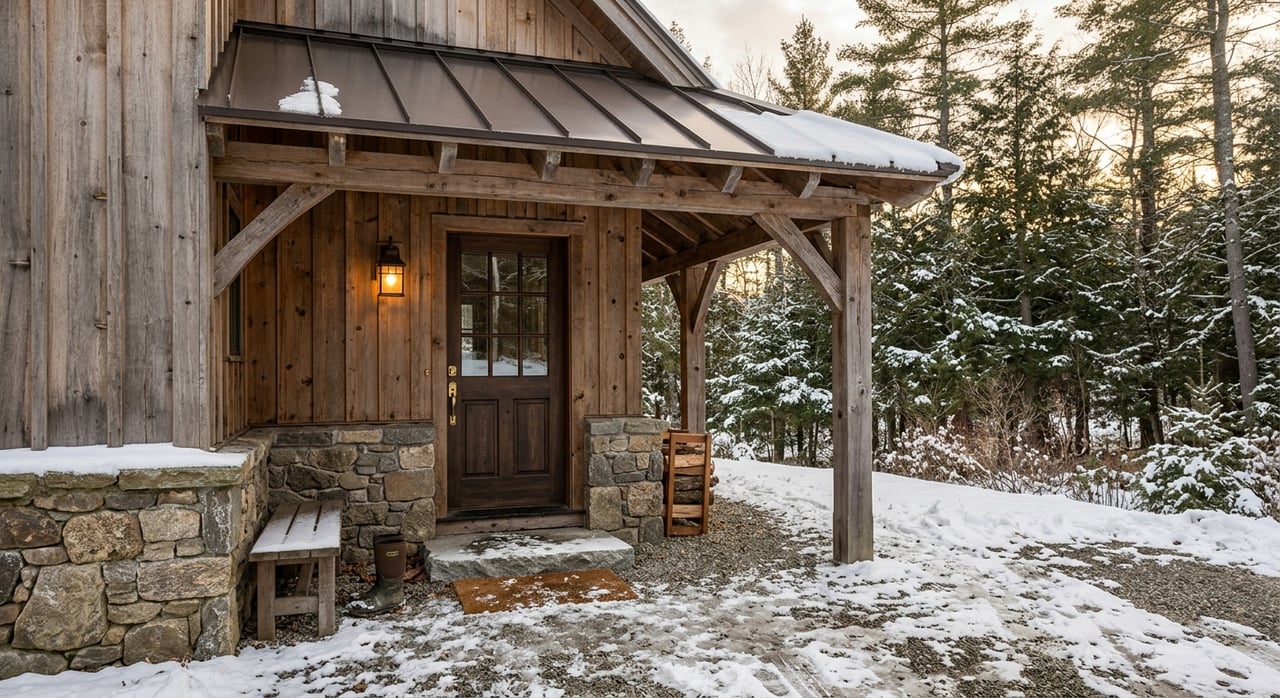
One of the first things buyers notice is that there is no single “standard” home style in Woodland Park or the Ute Pass. Instead, the housing stock tends to be a mix of cabins, ranch-style properties, and custom mountain homes.
For nearby Divide, Colorado tourism describes the housing character as including rustic cabins, spacious ranches, and mountain homes. That matches the broader pattern buyers often see throughout this part of Teller County, where home styles vary based on lot size, age, terrain, and access.
The area’s long history also helps explain that variety. Woodland Park’s historical overview notes that hotels, sawmills, sanitariums, dude ranches, casinos, and rodeos all shaped development around Ute Pass over time. For you as a buyer, that usually means a more mixed inventory and more property-by-property due diligence.
Mountain Lifestyle and Recreation
If outdoor access is high on your list, Woodland Park has a lot to offer. The city’s Parks and Recreation Department reports 66.67 acres of developed parks, 38.37 acres of open space and greenways, and 4.61 miles of trails within the city.
The regional recreation picture is even bigger. The Pikes Peak Ranger District manages about 230,000 acres in the Pike-San Isabel National Forests and offers more than 225 miles of trails for hiking, biking, horseback riding, camping, fishing, boating, and off-highway travel.
You also have several well-known destinations nearby. Rampart Reservoir is about 4.2 miles east of Woodland Park, Mueller State Park includes 5,117 acres and 44.3 miles of trails, and Florissant Fossil Beds National Monument covers a 6,000-acre montane landscape. If you want a home base for year-round outdoor living, that access is a major part of the appeal.
Summer brings another side of mountain-town living. Colorado tourism highlights outdoor concerts, festivals, and a Friday farmers’ market in Woodland Park during the warmer months. For many buyers, that helps the area feel active and livable, not just scenic.
How Realistic Is the Commute?
For many buyers, commute time is one of the biggest questions. Woodland Park is often seen as a practical mountain option because it offers easier access to Colorado Springs than many towns farther into the mountains.
That said, commute expectations should stay grounded in real conditions. Colorado tourism describes Woodland Park as roughly 20 minutes from Colorado Springs via Ute Pass, but weather, traffic, and road work can all affect travel times. If you plan to commute regularly, it helps to test the drive at the times you would actually travel.
Winter Ownership Matters
Owning a mountain home means thinking carefully about winter access and snow removal. The City of Woodland Park snow removal policy says the city begins plowing once 4 inches of snow have accumulated or when conditions require it, and it maintains 62 miles of roadway.
The same resource also notes that US-24 and CO-67 are maintained by CDOT, not the city. That distinction matters because your daily route may involve roads maintained by different agencies. The city recommends using COtrip for real-time travel conditions.
As a buyer, it is smart to ask specific questions before closing:
- Is the road to the property city-maintained, state-maintained, or private?
- Who handles snow removal for the driveway?
- Is the driveway steep, shaded, or difficult to access during storms?
- Will you need extra equipment or service contracts in winter?
These details can have a real impact on convenience, safety, and ownership costs.
Utilities and Infrastructure to Check Early
In a mountain market, utility details are not something to leave until the last minute. They can affect build plans, future costs, and how a home functions year-round.
Woodland Park’s water treatment information says the city water system serves about 4,070 homes, businesses, and institutions. It also notes that in 2024, about two-thirds of raw water came from local wells and springs, while one-third came from transbasin rights.
Permitting and site services matter too, especially if you are looking at a lot, custom build, or a home with non-standard systems. The same city resource explains that the Pikes Peak Regional Building Department handles permits in Woodland Park, while Teller County provides septic services. If you are considering land or a custom home path, these are key items to confirm early.
The city’s Public Works Department also maintains streets, drainage systems, field services, and new projects. That broader infrastructure support is worth understanding when you compare mountain properties in different areas.
Think About Seasonal Maintenance
Mountain ownership usually comes with more seasonal upkeep than buyers expect at first. That does not mean it is a bad fit. It simply means you want to buy with clear eyes.
Climate data from the Woodland Park 1.6 NW CoCoRaHS station shows 21.27 inches of annual NOAA-normal precipitation, with wetter monthly normals in late spring and summer. In practical terms, you should expect maintenance patterns to shift with the seasons rather than stay the same all year.
If you are buying a second home, this becomes even more important. You may want to think through who will monitor the property, how access works during storms, and what regular maintenance tasks will need attention while you are away.
Short-Term Rental Rules to Review
If your plan includes occasional rental income, check local rules before you make an offer. Do not assume a property can be used as a short-term rental just because it seems like a good fit.
Woodland Park’s Short-Term Rental Resource Center says owners need a planning permit plus an annual business license to operate a short-term rental. If you are buying a second home with rental goals, reviewing those requirements early can help you avoid surprises later.
Best Fit for Different Buyers
Woodland Park and the Ute Pass can work well for several types of buyers, but the right property depends on how you plan to use it. A full-time resident may prioritize commute reliability, utility setup, and winter access. A second-home buyer may care more about views, recreation access, and ease of seasonal maintenance.
If you are considering land or a future custom build, the due diligence becomes even more detailed. You will want to look closely at permits, water service, septic needs, road access, and the practical realities of building in a mountain environment. That is where local guidance can make a major difference.
Buy With a Mountain Checklist
Before you move forward on a Woodland Park or Ute Pass home, make sure you have answers to the basics:
- Your realistic drive time in normal and winter conditions
- Road maintenance responsibility
- Driveway access and snow removal needs
- Water source and utility setup
- Septic or sewer details
- Permit requirements for future improvements
- Short-term rental eligibility, if relevant
- Seasonal maintenance expectations
The goal is not to make the process harder. It is to help you buy a home that fits your lifestyle and avoids preventable surprises.
Woodland Park and the Ute Pass offer a rare mix of mountain scenery, historic character, public land access, and relative convenience to Colorado Springs. If you want help evaluating homes, land, or future build opportunities in this part of the market, connect with CC Signature Group - Camellia Coray for knowledgeable, high-touch guidance tailored to your goals.
FAQs
What is it like buying a mountain home in Woodland Park?
- Buying in Woodland Park often means balancing scenic mountain living with practical questions about road access, snow removal, utilities, and seasonal maintenance.
How far is Woodland Park from Colorado Springs for buyers?
- Colorado tourism describes Woodland Park as roughly a 20-minute drive from Colorado Springs via Ute Pass, though weather and traffic can increase travel time.
What types of homes can you find in the Ute Pass area?
- Buyers typically see a mix of cabins, ranch-style properties, and custom mountain homes rather than one uniform housing style.
What should buyers know about winter in Woodland Park?
- Winter ownership can involve snow-plowing logistics, private driveway maintenance, and checking whether your route is maintained by the city, CDOT, or a private party.
Can you use a Woodland Park home as a short-term rental?
- The city says short-term rental owners need a planning permit and an annual business license, so you should verify eligibility before closing.
Why do buyers look at Woodland Park and the Ute Pass?
- Many buyers are drawn to the area for its mountain setting, access to trails and public land, historic character, and more manageable access to Colorado Springs than some deeper mountain towns.