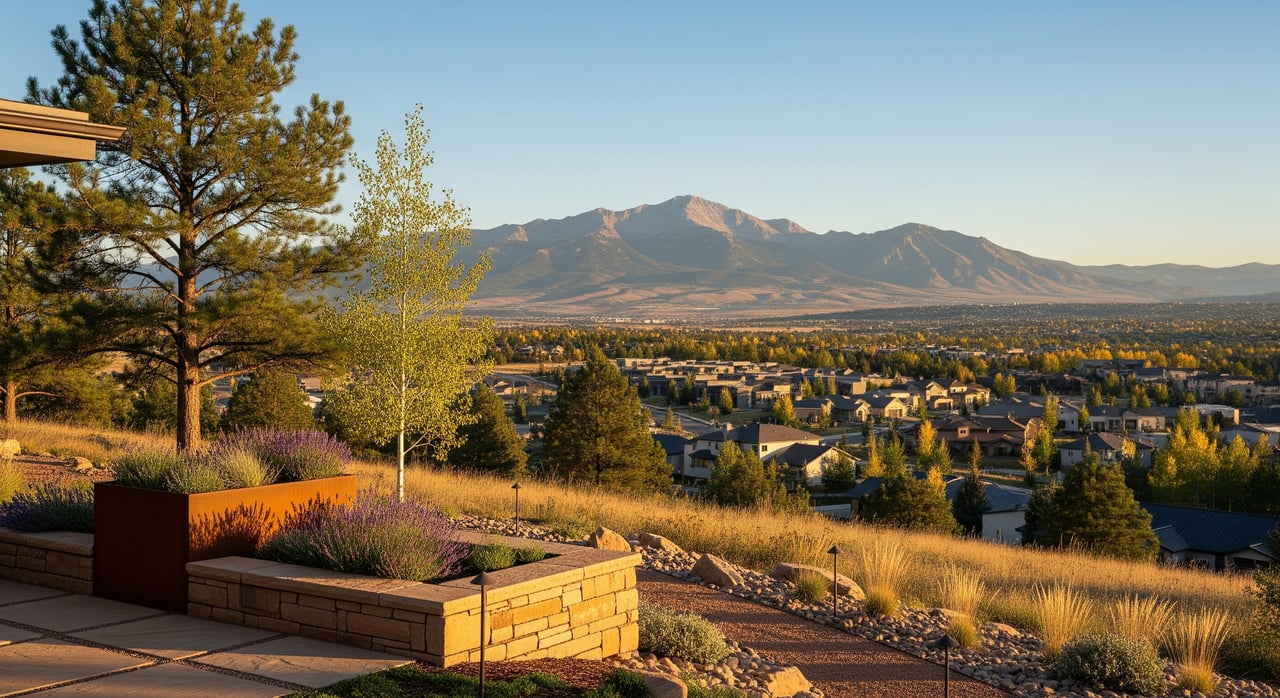
Deciding where to buy land for a custom home can feel overwhelming. In Colorado Springs and across El Paso County, your choice often comes down to an infill lot in an established neighborhood or a lot in a new subdivision. Each path has its own rules, costs, and timing. This guide breaks down the differences so you can move forward with confidence. Let’s dive in.
Infill vs subdivision at a glance
Infill lots are typically inside Colorado Springs city limits or in older unincorporated neighborhoods. You often get existing streets, power, water, and sewer nearby, which can reduce infrastructure uncertainty. Expect tighter setbacks, potential design overlays, and site‑specific work like demolition, rock excavation, and utility hookups.
Subdivision lots are in newer, platted neighborhoods where a developer installs the main infrastructure before selling lots. You usually see CC&Rs, HOAs, and architectural review. Many lots are marketed as build‑ready, but timing can depend on the developer’s phasing schedule. Fees and design standards are common, and some areas allow wells or septic where permitted.
Bottom line: Infill can simplify utility connections but add site‑prep and design constraints. Subdivisions can deliver uniform standards and predictability, but you take on HOA rules, impact fees, and possible schedule risk.
Jurisdiction and permits
Your permitting path hinges on location. Start by confirming whether your parcel sits inside the City of Colorado Springs or in unincorporated El Paso County. Jurisdiction sets the rules, the reviewing agencies, and the fee schedules you will follow.
- City parcels are reviewed under city zoning and policies. Much of the region’s building permits and inspections are coordinated by the Pikes Peak Regional Building Department. Always verify the current authority for your specific site.
- County parcels run through El Paso County’s land development and building processes. Subdivision approvals, septic permitting, and well considerations are common in unincorporated areas.
Water and wastewater
Inside city limits, Colorado Springs Utilities is the primary provider for water and wastewater. Outside the city, service may come from a special district, a private provider, or an on‑site well and septic where allowed. For any lot, confirm:
- Who the water provider is and whether a tap is available.
- Current tap and impact fees, or any “availability” fees.
- Whether the parcel is eligible for a well and what permits or augmentation are needed through the Colorado Division of Water Resources.
If a lot relies on an existing water right or a private well, verify the legal status, recorded rights, and well permit number.
Septic vs sewer
Many infill parcels connect to public sewer. In county areas, newer subdivisions may have sanitary sewer service, or you may need an on‑site wastewater system where permitted. If septic is required, order early soil and suitability testing and obtain approvals through local public health authorities.
Roads and access
Infill lots usually front existing public roads. You may still need a driveway permit and curb‑cut approval. In subdivisions, roads can be public or private. Verify who maintains them, how snow removal works, and that emergency access meets standards.
Fees and guarantees
Tap and impact fees are common for new utility connections and can include water, sewer, transportation, school, and park fees depending on location. These fees change frequently, so request current written schedules from the appropriate agency. For subdivision purchases, ask for documentation that public improvements have been accepted or that performance guarantees are in place if work is unfinished.
Infrastructure and site constraints
Every site is different. Understanding what lies above and below grade helps you budget and plan.
- Utility availability: Infill areas often have nearby utilities, but older lines may need upgrades or relocations. Easements and alleys can affect plan layouts. In subdivisions, backbone utilities are installed, though you should confirm who installs and pays for service laterals and meters.
- Soils and bedrock: Colorado Springs has areas with cobble, caliche, expansive clays, and shallow bedrock. A geotechnical investigation is smart for both infill and subdivision lots. On foothill sites, expect steeper slopes and potential rock excavation or blasting. Eastern plains sites may have different soil challenges.
- Flood and drainage: Check FEMA maps and local floodplain overlays. Even outside mapped floodplains, arroyos and drainage channels can pose risks. Subdivisions often include engineered detention and mitigation. Infill sites may carry stricter site‑level stormwater requirements.
- Wildfire exposure: Parcels near the wildland‑urban interface may have brush mitigation or defensible‑space requirements. Local fire districts and the Colorado State Forest Service provide guidance and, in some cases, specific standards.
- Easements and setbacks: Older lots can have recorded utility easements that limit buildable area. Subdivision plats define easements clearly. Always review the title commitment and recorded plat before final design.
- Driveways and grades: Slope affects foundation design, retaining walls, driveway permits, and stormwater. Steep grades can trigger special review and higher costs.
Design controls and builder rules
You will likely see more neighborhood controls in new subdivisions. Understand the rules up front so you can plan your design, budget, and timeline.
- CC&Rs and architectural review: Subdivisions often include CC&Rs and an architectural review board that sets materials, rooflines, color palettes, setbacks, and landscaping. These standards help maintain a consistent look but can limit customization and add review steps and fees. Infill parcels may be free of an HOA, or they may be subject to neighborhood covenants or historic overlays.
- Approved builders: Some developers require an approved builder list or offer model‑home builders with minimum standards. Others allow open selection with plan review.
- Warranty and HOA fees: New subdivisions often have warranty periods for installed improvements. HOA dues typically fund common‑area upkeep, snow removal, and private road maintenance if applicable. Review the HOA budget, what dues cover, and whether special assessments are expected.
- Improvement acceptance: Ask for proof that public improvements have been accepted by the city or county, or that performance bonds are in place until acceptance. For infill purchases, verify that utility connections and any required upgrades are feasible.
Timelines and budget drivers
Your path to shovel‑ready depends on location, improvements, and reviews.
Typical timelines
- Infill: When utilities exist and the lot is already platted, you may move from purchase to shovel‑ready in weeks to a few months. Design review, demolition, geotech, and permits influence timing.
- Subdivisions: If you purchase a finished lot with accepted improvements, you can start faster. If you buy during an early phase, developer schedules can add months or even years.
From building permit to occupancy, timing depends on home size, complexity, inspections, and contractor availability.
Major cost drivers
- Utility tap and impact fees for water, sewer, transportation, parks, and schools where applicable.
- Site preparation: demolition, rock excavation, tree removal, retaining walls, erosion control.
- Geotechnical‑driven foundation changes: piers, grade beams, engineered slabs.
- Grading, drainage, and stormwater mitigation.
- Architectural review fees, HOA application fees, and ongoing dues.
- Road and driveway work, curb cuts, and access improvements.
- Special inspections or mitigation tied to floodplains, wetlands, or protected resources when triggered by local review.
Common risks to flag early
- No confirmed water tap or capacity constraints for water or sewer.
- Easements or setbacks that reduce the buildable envelope.
- Mapped floodplain or known arroyo impacts on the site.
- High bedrock content that drives up excavation or foundation costs.
- Subdivision litigation or a developer with incomplete improvements.
- Unclear CC&Rs, design standards, or HOA disputes.
Your due diligence checklist
Work this list early in your inspection period to reduce surprises and protect your budget.
- Confirm jurisdiction and contact the correct planning and building authority for your parcel.
- Request written utility availability letters for water, sewer, electric, gas, and telecom. Ask for current tap and impact fee schedules from each provider.
- Order a title commitment and review recorded easements, covenants, plats, and road or utility reservations.
- Check FEMA flood maps and local floodplain overlays. Review stormwater rules that apply to your lot.
- Commission a boundary and topographic survey if recent documents are not available.
- Commission a geotechnical and soils report to anticipate excavation and foundation needs.
- If outside public sewer, order septic feasibility and percolation tests and seek county environmental approval.
- For subdivision lots, obtain CC&Rs, architectural guidelines, HOA budget, improvement acceptance letters, and any performance bonds.
- Verify the local fire district and wildfire risk mitigation requirements. Request defensible‑space and materials guidance where applicable.
- Confirm road access, driveway permit requirements, and who maintains the road.
- Request as‑built drawings, improvement completion certificates, and the recorded plat from the seller or developer.
- Discuss timeline and contractor availability. Seek early cost estimates for site work, taps, and major utilities.
- If a well is anticipated, consult the Colorado Division of Water Resources about well permitting and any augmentation needs.
- Ask planning staff if environmental, historic, or biological constraints could trigger special studies on your parcel.
Which path is right for you?
Choose an infill lot if you value established neighborhoods and nearby municipal services and you want a potentially shorter path to permits. You accept that tighter setbacks, design context, and site‑prep challenges like demolition or rock excavation may raise costs.
Choose a subdivision lot if you prefer newer infrastructure, uniform neighborhood standards, and possibly larger lots in county settings. You are comfortable with CC&Rs, architectural review, HOA dues, and the developer’s phasing schedule.
Either way, plan for tap and impact fees, a geotech report, and clear documentation on utilities and easements. With the right team and a solid checklist, you can control risk and build the home you want.
Ready to compare specific lots or talk through builder selection, timelines, and budget ranges? Reach out to CC Signature Group - Camellia Coray for local guidance tailored to your goals.
FAQs
What is the difference between infill and subdivision lots in Colorado Springs?
- Infill lots often have existing utilities and tighter design constraints, while subdivision lots feature new infrastructure, CC&Rs, and architectural review that can standardize design and timing.
How do I verify water tap availability for a lot in El Paso County?
- Identify the water provider for the parcel, request a written availability letter, and confirm current tap or impact fees; if a well is needed, check eligibility and permits with the Colorado Division of Water Resources.
Are HOAs common in new subdivisions around Colorado Springs?
- Yes, most new subdivisions use CC&Rs and HOAs to manage design standards and maintain common areas, and they may require architectural review and ongoing dues.
What site conditions most often increase build costs locally?
- Bedrock and caliche that require heavy excavation or engineered foundations, stormwater and drainage measures, and utility upgrades or relocations can materially increase costs.
Can I choose my own builder on a subdivision lot?
- Many subdivisions allow open builder selection, but some require approved builders and plan review; always review the CC&Rs and architectural guidelines before you commit.