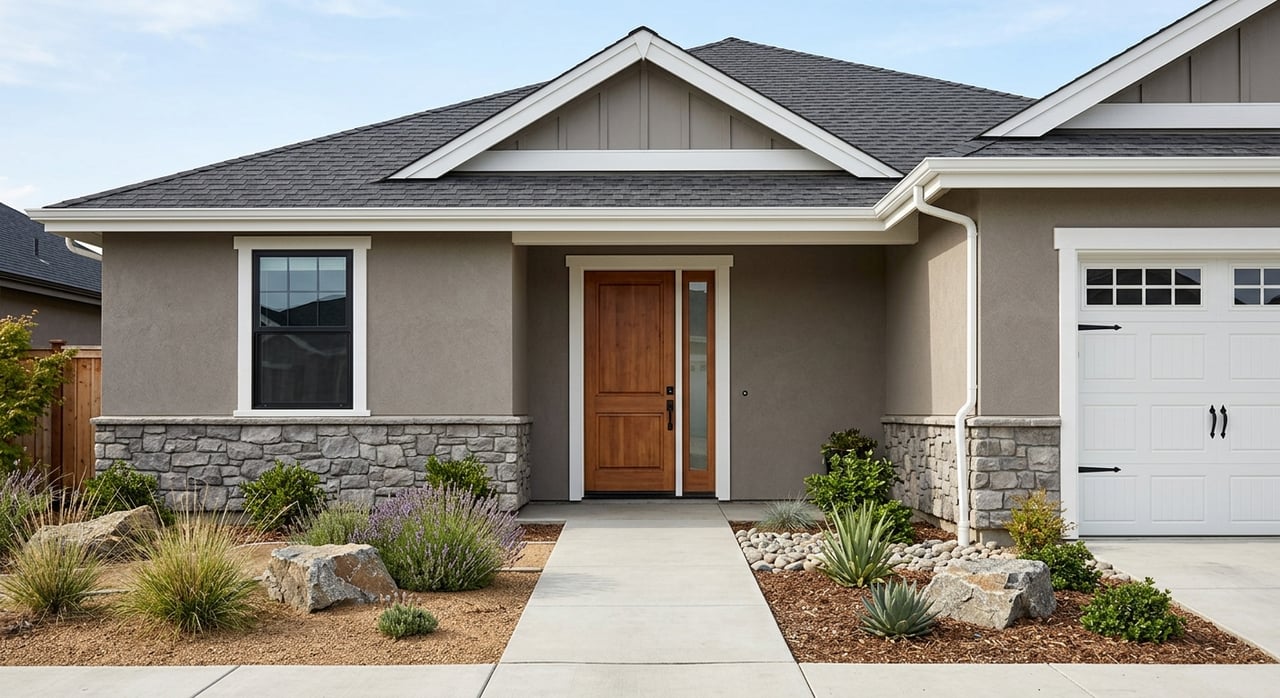
If you are thinking about selling your Powers Corridor home this year, you are not alone. Many homeowners are trying to figure out whether today’s market still offers a good window to move, especially now that buyers are more careful and homes are not flying off the market the way they did a few years ago. The good news is that a sale can still make sense if you go in with the right expectations, a smart pricing plan, and strong preparation. Let’s dive in.
What the Powers market looks like now
The broader Pikes Peak market closed May 2026 with 1,475 sales, a median sale price of about $472,000, and an average of 50 days on market. In El Paso County, the median sale price was $459,000, homes averaged 47 days on market, and 25.0% sold above list price.
That tells you something important. Buyers are still active, but they are not rushing to buy every home that hits the market. Local reporting has described the Colorado Springs area market as balanced but sluggish rather than overheated, which means your home can sell, but it usually needs to be priced and presented well from the start.
Why Powers is not one market
The Powers Corridor covers a range of price points and neighborhoods, so your selling experience may look very different depending on your home’s price and location. Nearby zip code data shows that lower and mid-priced homes are often moving faster than higher-priced homes.
For example, recent median sale prices and market times looked like this:
- 80916: $360,818 median sale price and 49 days on market
- 80917: $402,381 median sale price and 40 days on market
- 80918: $439,869 median sale price and 42 days on market
- 80923: $479,858 median sale price and 37 days on market
- 80924: $675,699 median sale price and 54 days on market
This pattern suggests that homes around the low-to-mid $400,000 range may still attract stronger competition, while move-up homes at higher price points may take longer and face a smaller buyer pool. If your home falls on the upper end of the local range, your pricing strategy matters even more.
Competition still exists, but it is selective
Some homes are still selling above list price. In the nearby zip codes, the share of homes selling above list recently ranged from 17.1% in 80924 to 37.6% in 80916.
That does not mean you should automatically aim high on price. Average sale-to-list ratios were still close to 99%, which suggests buyers are staying close to market value overall. In a balanced market, buyers tend to reward homes that are well positioned, not homes that are simply listed with room to negotiate.
Should you sell this year?
For many Powers homeowners, the answer is yes. If your home is well maintained, your next move is financially sound, and you are ready to price for today’s market instead of yesterday’s headlines, this can still be a reasonable year to sell.
The local outlook points more toward a flat-to-modestly seasonal market than a sharp upswing. That means waiting may not automatically lead to a much better selling environment. In many cases, the better question is not whether the market will suddenly improve, but whether your home is ready now and whether selling fits your personal goals.
Waiting may make sense if you need prep time
There are a few situations where waiting could be the better choice. If your home needs visible repairs, if you need more time to organize HOA documents and disclosures, or if your financial plan depends on materially lower mortgage rates for your next purchase, it may be worth slowing down.
Freddie Mac reported the average 30-year fixed mortgage rate at 6.52% on June 11, 2026. Rates at that level can keep buyers price-sensitive, even when they are active. That is another reason to avoid overpricing and to focus on value right away.
Pricing matters more than chasing the market
One of the clearest signals in the Powers-area data is the number of price reductions. Recent shares of homes with price drops ranged from 27.9% in 80923 to 40.6% in 80924.
That tells you many sellers are still testing the market too high and adjusting later. The problem is that the first days on market are often when your listing gets the most attention. If you miss that early window, you may end up with fewer showings, weaker leverage, and more pressure to reduce the price.
What accurate pricing can do for you
A strong launch price can help you:
- Attract serious buyers early
- Reduce the odds of sitting on the market
- Protect your negotiating position
- Limit the need for later price cuts
- Support a smoother appraisal process
In a market like this, accurate pricing is not about leaving money on the table. It is about meeting the market where buyers are already making decisions.
How to make your home stand out
In a balanced market, presentation matters. Buyers have more choices, so they are comparing condition, layout, and overall feel much more carefully.
Staging and preparation can make a real difference. National staging data found that 83% of buyers’ agents said staging made it easier for buyers to visualize the property as a future home, and 49% of sellers’ agents said staging reduced time on market.
Focus on the rooms buyers notice first
The rooms most often considered most important to stage are:
- Living room
- Primary bedroom
- Kitchen
That does not mean you need an expensive overhaul. It usually means making the home feel clean, open, bright, and move-in ready in the spaces that shape the first impression.
Your pre-listing checklist
Before your home goes live, focus on the basics that usually matter most:
- Declutter shelves, counters, and floors
- Deep-clean the full home
- Touch up paint or repaint where needed
- Fix visible deferred maintenance
- Refresh lighting and curb appeal
- Stage or lightly style the main living areas
- Organize disclosures and title-related documents
- Gather HOA documents early if your property is in an HOA
For many sellers, this kind of practical preparation delivers more value than taking on larger projects right before listing.
Know your closing costs and net proceeds
A lot of sellers focus on sale price but overlook what they will actually net at closing. In Colorado, that number can change based on taxes, HOA costs, and other transaction fees.
Colorado property taxes are paid in arrears, tax bills are mailed after January 1, and property taxes are prorated at closing. The standard Colorado contract also states that liens, encumbrances, and previous years’ taxes are paid from the seller’s proceeds.
Common seller costs to plan for
Depending on your property, costs that can affect your net proceeds may include:
- Closing-services fee
- HOA status-letter fee
- HOA record-change fee
- HOA reserves or working capital due at closing
- Local transfer tax if one applies
- Private transfer fees
- Water transfer fees
- Utility transfer fees
- Continuing-loan interest proration
- Possible FIRPTA or Colorado withholding in certain cases
If your home is part of an HOA, document timing matters. Colorado guidance notes that HOA governing and financial documents are part of the due-diligence package, and the association’s status-letter fee is paid by the seller.
Get your disclosures ready early
Colorado sellers are required to disclose adverse material facts actually known. If your home was built with a permit before January 1, 1978, a lead-based paint disclosure is also required.
This is another reason to prepare before listing instead of after you accept an offer. When your disclosures and property information are organized early, you can reduce delays and help your transaction move more smoothly once buyers begin asking questions.
A smart Powers selling strategy
If you want the short version, the best strategy this year is simple. Price close to market value, present the home in show-ready condition, and get your paperwork organized before the listing goes live.
That approach fits the current Powers and El Paso County market well. Buyers are still buying, but they are comparing options carefully, and many are sensitive to price because of mortgage rates. A polished, well-priced home is in a much better position than a home that needs updates, has weak photos, or comes to market with too much room built into the list price.
If you are deciding whether now is the right time, start with your numbers, your timeline, and your home’s condition. Then build a plan around the market that exists today, not the one people remember from the peak frenzy.
When you are ready for a clear pricing strategy and a smoother selling process, connect with CC Signature Group - Camellia Coray for local guidance tailored to your Powers home.
FAQs
Is 2026 a good year to sell a home in Powers, Colorado Springs?
- For many sellers, yes. The local market appears balanced rather than overheated, which means homes can still sell well if they are priced accurately and presented in strong condition.
How long is a home taking to sell near the Powers Corridor?
- Nearby market data shows homes are often taking roughly 37 to 54 days on market depending on zip code and price point, while El Paso County averaged 47 days on market.
Are Powers-area homes still selling above list price?
- Some are. Recent nearby zip code data showed about 17.1% to 37.6% of homes sold above list price, but average sale-to-list ratios stayed near 99%, so buyers are still watching value closely.
What should I do before listing my Powers home?
- Start with decluttering, deep cleaning, paint touch-ups, visible repairs, and light staging in the living room, primary bedroom, and kitchen. You should also organize disclosures, title information, and HOA documents early.
What closing costs should Powers home sellers expect in Colorado?
- Seller costs may include prorated property taxes, closing-services fees, HOA status-letter fees, record-change fees, reserves or working capital due at closing, and other transfer-related fees depending on the property.
Should I wait to sell my Powers home until rates come down?
- It depends on your next move and financial plan. If you need lower rates to make your next purchase work, waiting may help, but current local data does not point to a sharp market upswing from waiting alone.