If you want a part of Colorado Springs that feels established, active, and close to the outdoors, the West Side often stands out right away. This is the area many buyers picture when they think about older Colorado Springs character, local businesses, and quick access to trails. If you are wondering whether that mix fits your lifestyle, this guide will help you understand what daily life here can really feel like. Let’s dive in.
What counts as the West Side?
On the city planning side, the Greater Westside Community Plan treats the West Side as a broad area west and south of downtown. That planning area includes neighborhoods such as Gold Hill, Ivywild, Mesa, Mesa Springs, Midland, Old Colorado City, Skyway, Stratton Meadows, and Westside, according to the Greater Westside Community Plan.
That matters because when people say “West Side,” they are often talking about a lifestyle more than one single subdivision. You are looking at a collection of older neighborhoods with different housing styles, street patterns, and levels of activity, all tied together by history, local businesses, and outdoor access.
Historic character shapes the area
One of the biggest things you notice about the West Side is its sense of place. City historic planning materials describe the Westside and Old Colorado City as part of Colorado Springs’ early historic core, and note that these areas still reflect what many people think of as “historic Colorado Springs,” even though Interstate 25 changed some of the original physical continuity.
Old Colorado City is a major part of that identity. Visit Colorado Springs describes it as the first permanent town in the Pikes Peak region and the first capital of the Territory of Colorado, and city materials note that its commercial district is listed on the National Register of Historic Places.
For you as a buyer or relocator, that history shows up in everyday life. Streets, storefronts, and homes tend to feel more rooted and less interchangeable than in newer parts of town.
Housing feels varied, not cookie-cutter
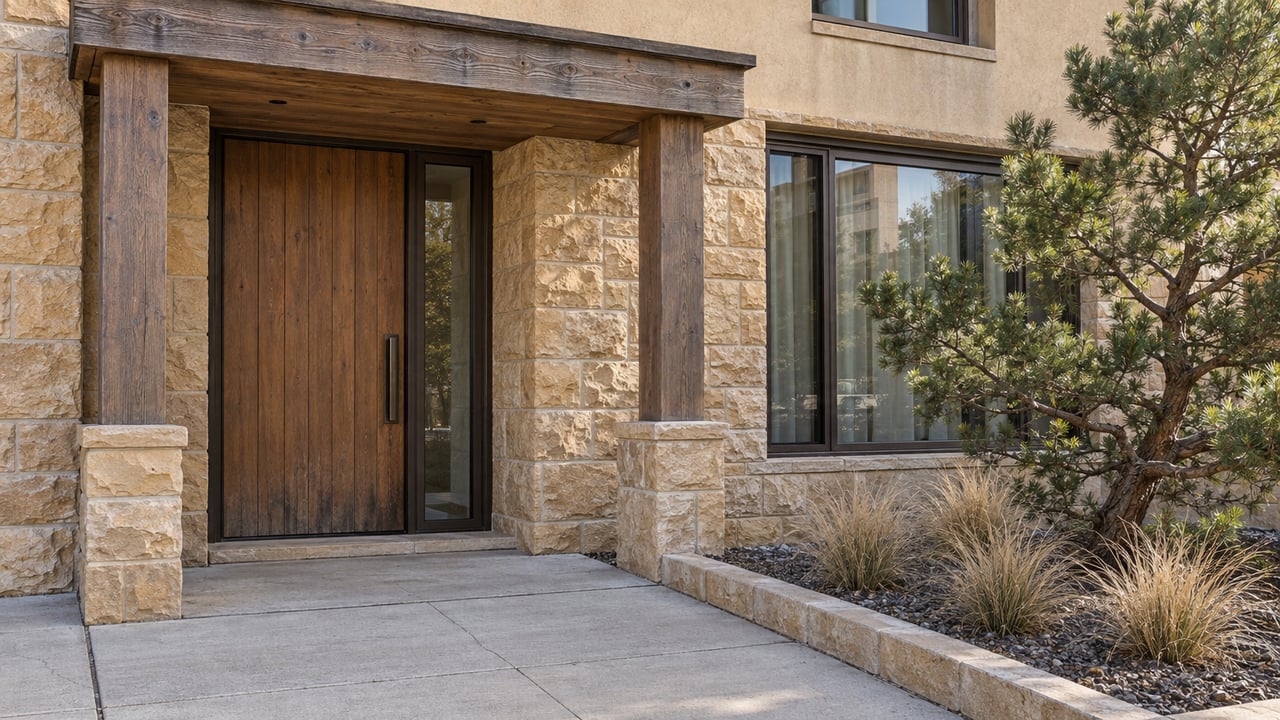
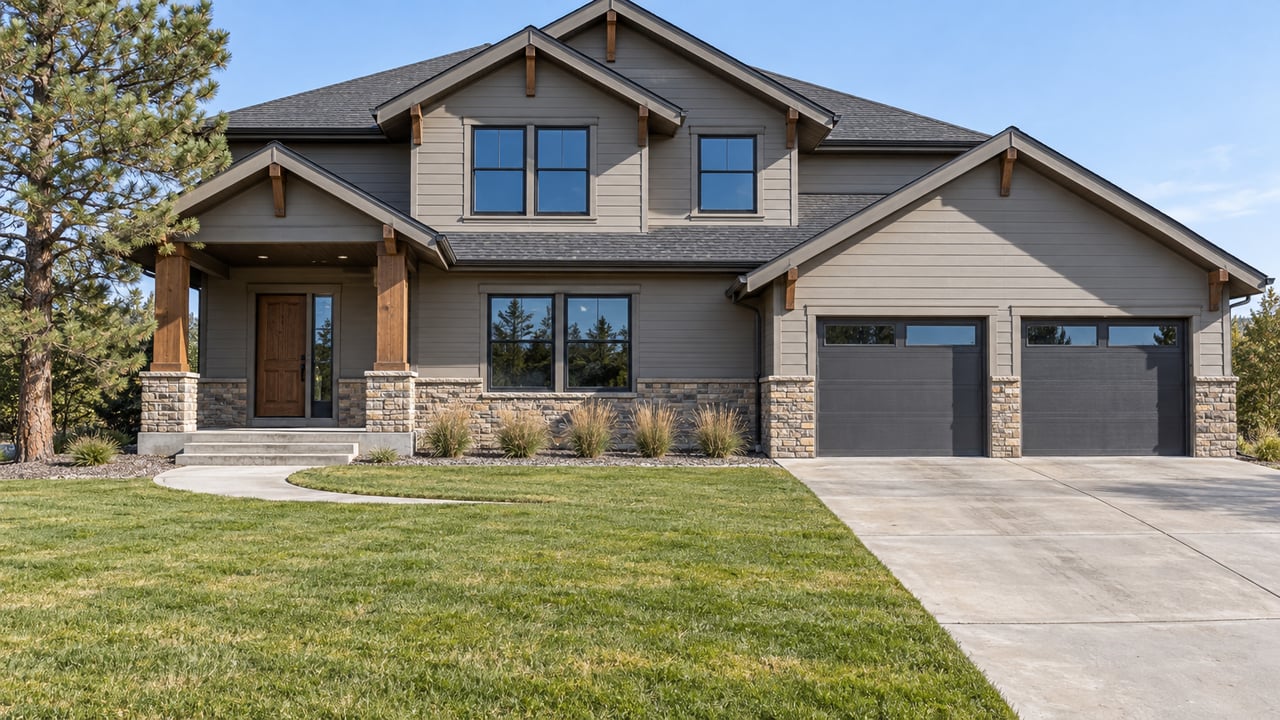
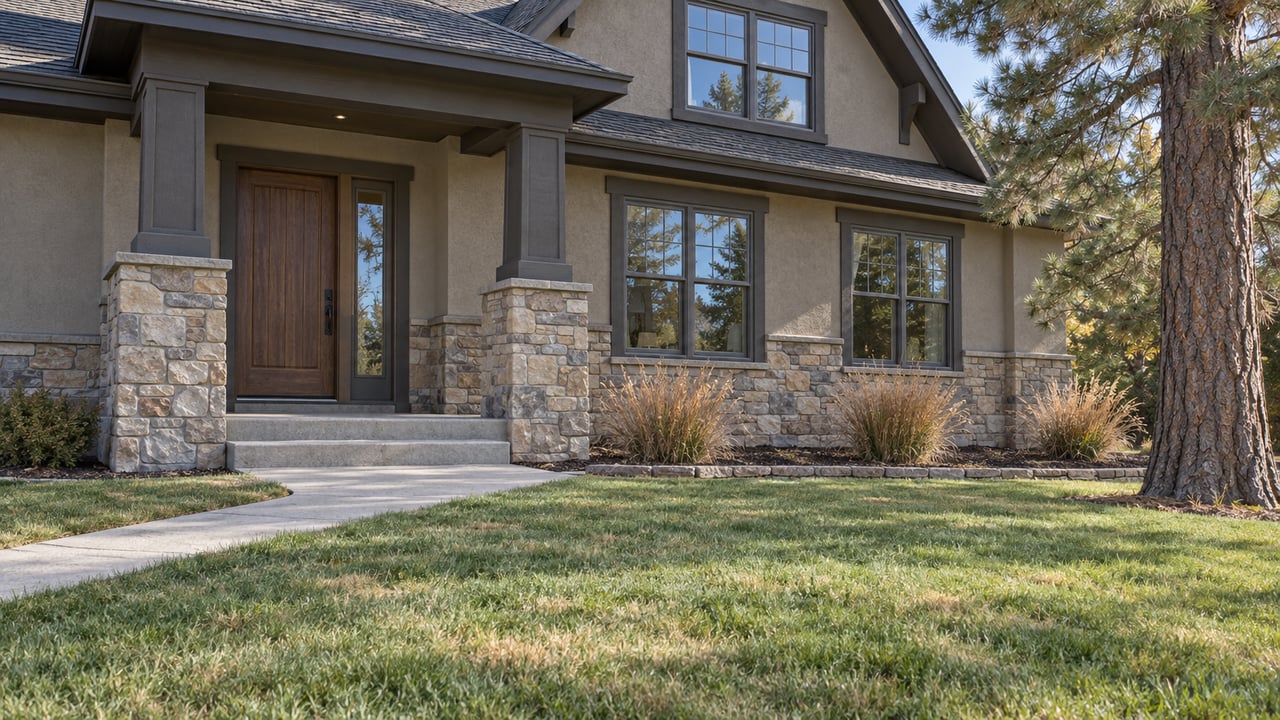
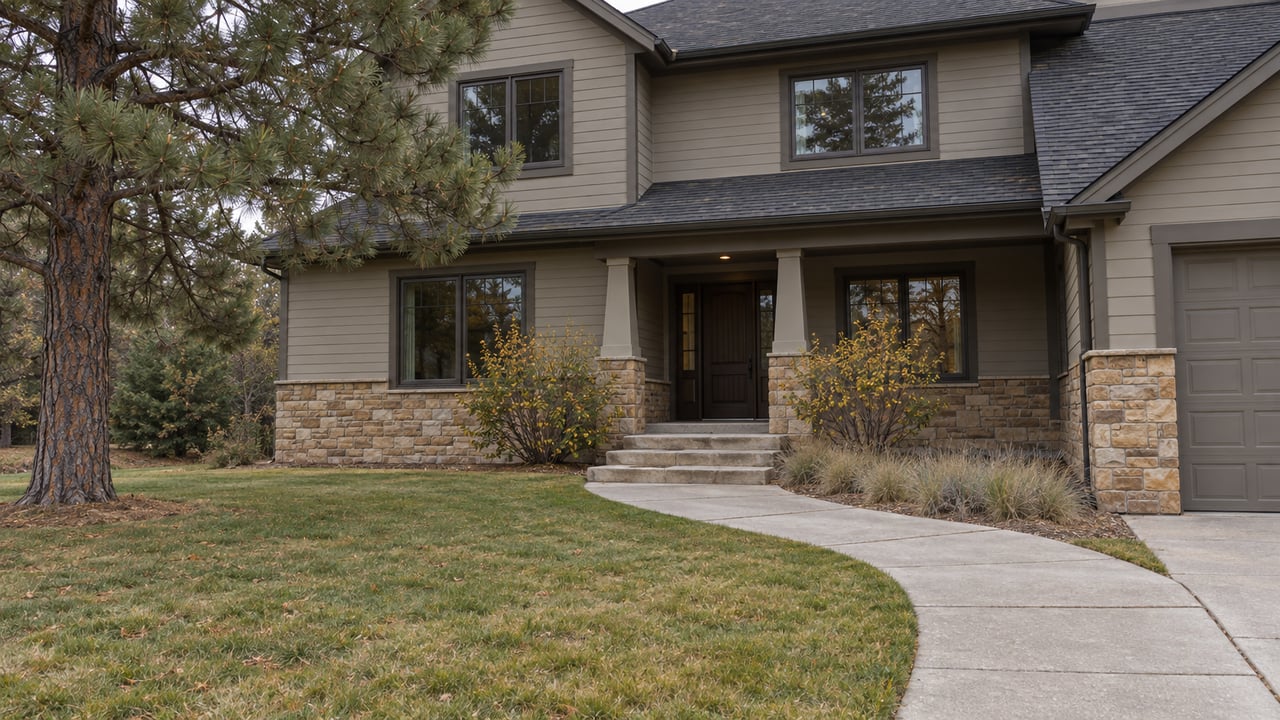
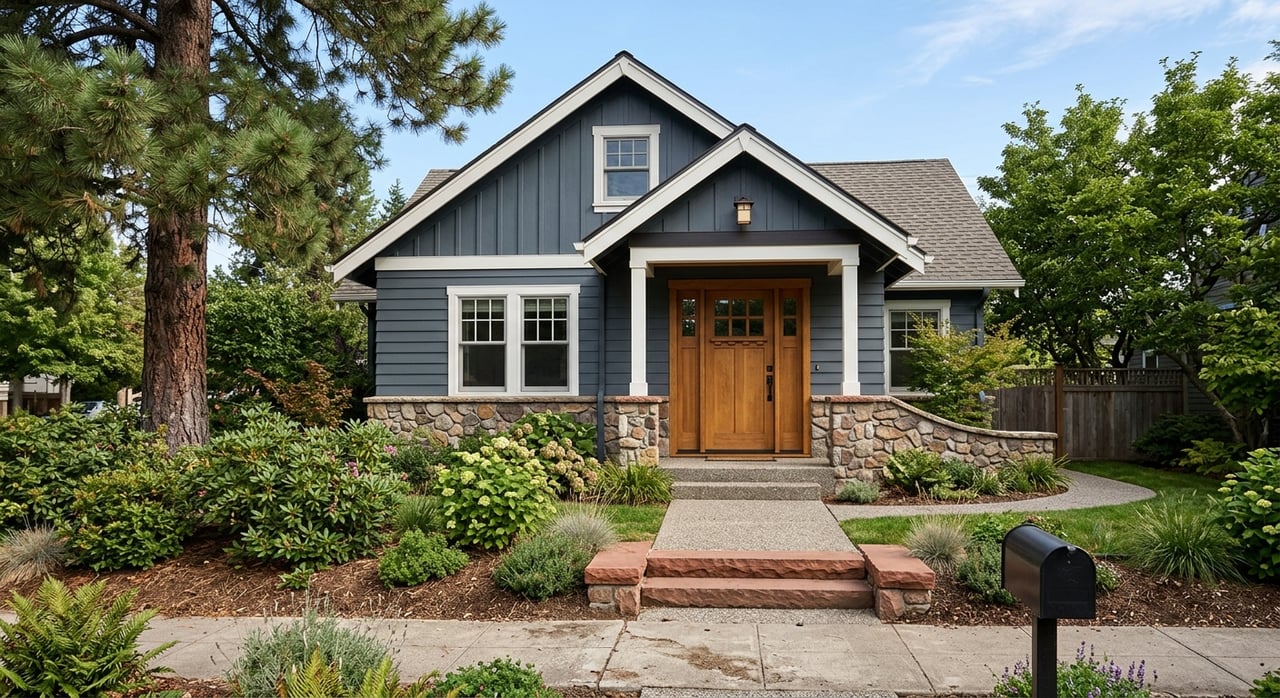
If you prefer neighborhoods with a more uniform look, the West Side may feel different from what you are used to. The city’s historic resource survey describes Old Colorado City and nearby west-side neighborhoods as having middle-class and working-class homes spread throughout the area, along with a wide range of historic residential architecture.
In practical terms, that often means more variety from one block to the next. Instead of a single architectural style repeating over and over, you may see a mix of older homes, updated properties, and different lot layouts that give the area a more eclectic feel.
That variety is a big reason some buyers love the West Side. If you are drawn to homes with personality and a neighborhood feel that has evolved over time, this part of Colorado Springs may be worth a closer look.
Outdoor access is part of daily life
For many people, living on the West Side is really about how easy it is to get outside. This part of Colorado Springs has strong access to parks, open space, and trail connections that can support everything from casual walks to longer weekend outings.
Red Rock Canyon Open Space is one of the area's signature amenities. It offers picnic facilities, off-leash dog areas, dirt trails for pedestrians, bikes, horses, and leashed dogs, plus rock climbing by permit and trail connections to Section 16 and the Intemann Trail.
Bear Creek Cañon Park adds even more connectivity. City trail improvements completed in 2024 added more than 4,700 feet of new trail and improved links to Red Rock Canyon Open Space, North Cheyenne Cañon Park through Gold Camp Road and High Drive, and U.S. Forest Service lands.
There is also a broader long-term vision through the Chamberlain Trail, a planned 26-mile route intended to connect major open spaces including Blodgett Open Space, Red Rock Canyon Open Space, Bear Creek Regional Park, Stratton Open Space, North Cheyenne Cañon Park, and Fishers Canyon Open Space.
And of course, Garden of the Gods is close by as another major outdoor draw, with more than 22 miles of trails that range from paved to dirt and from beginner to advanced.
If your ideal routine includes early trail time, a walk with your dog, or easy access to scenic open space after work, the West Side offers a lifestyle that supports that.
Old Colorado City anchors local life
When people talk about the West Side feeling local, Old Colorado City is usually at the center of that conversation. It serves as the area’s main dining, shopping, and gathering hub.
According to Visit COS, Old Colorado City features unique stores, boutiques, gift shops, art galleries, museums, coffee houses, breweries, wine bars, sweet shops, patio dining, and a wide range of cuisine. That mix gives the area a more neighborhood-oriented feel than places built mainly around large-format retail.
For you, that can translate into more casual, everyday convenience with personality. Whether you are grabbing coffee, meeting friends for lunch, or browsing local shops, there is often something happening without needing to drive across town.
Events keep the area active
The West Side is not just scenic. It is active in a community sense too. Old Colorado City has a year-round event rhythm that adds to the lifestyle.
First Friday ArtWalks take place year-round along West Colorado Avenue, with galleries, artists, restaurants, and shops participating. The Old Colorado City Farmers Market runs on Saturdays from June through October at Bancroft Park and includes 24 full-time vendors plus additional temporary booths.
Old Colorado City also centers around Bancroft Park, the former town square that now serves as a hub for events, live music, and the farmers market. Territory Days, held every Memorial Day weekend, is another signature event that draws people to the area.
If you enjoy neighborhoods where public spaces are actually used and local events are part of the calendar, the West Side has a lot going for it.
Community spaces matter here
Beyond trails and commercial areas, the West Side also has neighborhood-serving facilities that support day-to-day life. The Westside Community Center resumed city operations in 2022 through a public-private partnership and completed a major renovation in December 2025 that improved accessibility and updated building systems.
That is a useful detail because it shows continued investment in community infrastructure, not just recreation and tourism. For residents, those kinds of facilities can add to the area’s sense of connection and functionality.
What the vibe feels like
Put all of this together, and the West Side tends to feel more historic, locally oriented, and outdoors-first than many newer parts of Colorado Springs. That impression is supported by the area’s early-town history, older housing stock, active commercial corridor, and strong access to parks and trails.
For some buyers, that is exactly the appeal. You may find the West Side to be a strong fit if you want character in the housing, easier access to local businesses, and outdoor recreation woven into everyday life.
At the same time, it may not be the right match for everyone. If you are specifically looking for a newer subdivision with a more uniform streetscape or a setting that feels purely residential, other parts of Colorado Springs may fit your preferences better.
Is the West Side right for you?
The best neighborhood fit always comes down to how you want to live. On the West Side, daily life can include trail access, local coffee stops, time in Old Colorado City, seasonal events, and a stronger connection to older Colorado Springs history.
If that sounds like your pace, it helps to look beyond the broad label of “West Side” and compare the feel of specific neighborhoods within the area. That is where local guidance becomes especially valuable.
If you are exploring homes in Colorado Springs and want help narrowing down which West Side neighborhoods match your lifestyle, CC Signature Group - Camellia Coray can help you evaluate your options with a local, practical approach.
FAQs
What neighborhoods are generally included in the West Side of Colorado Springs?
- The city’s Greater Westside Community Plan includes Gold Hill, Ivywild, Mesa, Mesa Springs, Midland, Old Colorado City, Skyway, Stratton Meadows, and Westside within its broad West Side planning area.
What is the housing style like on the West Side of Colorado Springs?
- West Side housing tends to be more varied than in newer subdivisions, with a wide range of historic residential architecture and a less uniform block-to-block feel.
What outdoor recreation is near the West Side of Colorado Springs?
- The area has strong access to Red Rock Canyon Open Space, Bear Creek Cañon Park, trail connections toward North Cheyenne Cañon, the planned Chamberlain Trail system, and nearby Garden of the Gods.
What is Old Colorado City like for shopping and dining?
- Old Colorado City is the West Side’s main hub for local businesses, with boutiques, galleries, coffee houses, restaurants, breweries, wine bars, and patio dining.
What community events happen on the West Side of Colorado Springs?
- Notable events include year-round First Friday ArtWalks, the Old Colorado City Farmers Market from June through October, live events at Bancroft Park, and Territory Days over Memorial Day weekend.
Who might enjoy living on the West Side of Colorado Springs?
- The West Side may appeal to buyers who want historic character, local business access, and an outdoors-focused lifestyle rather than a newer, more uniform neighborhood setting.