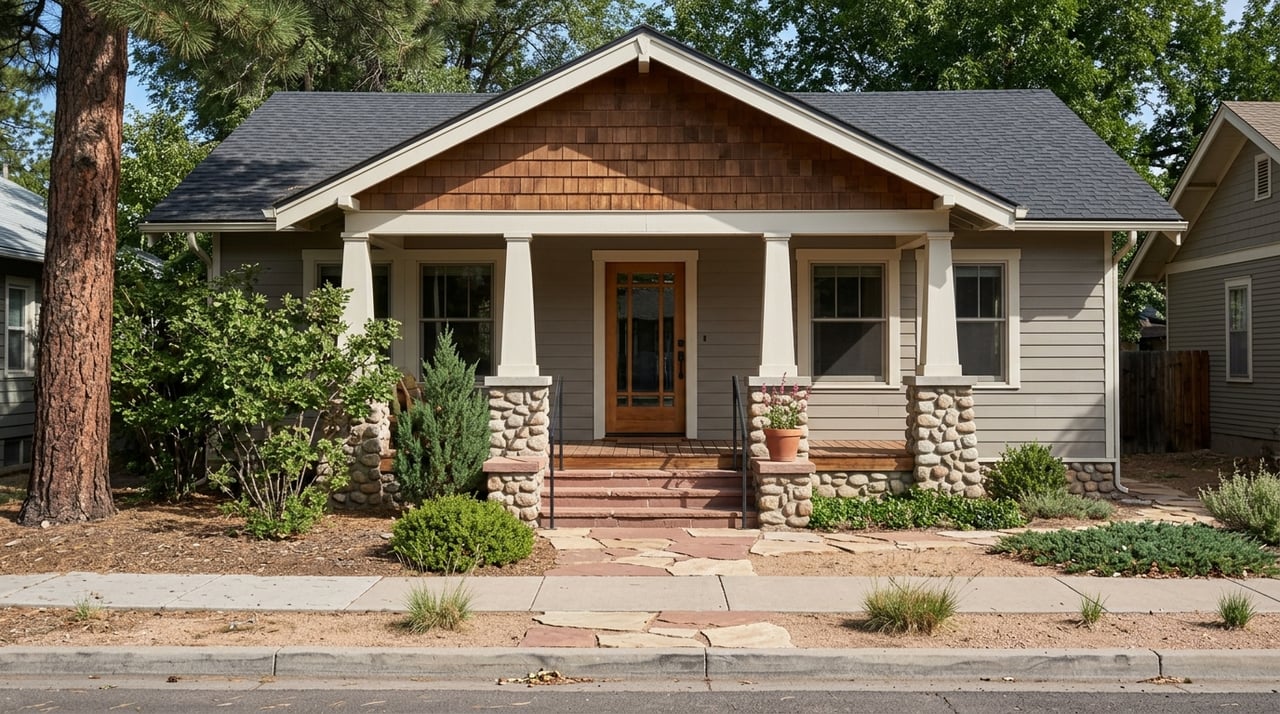
If you picture Colorado Springs’ West Side as just one neat, easy-to-define neighborhood, you might be surprised by what you find. This part of the city feels more layered than that, with historic streets, trail access, local business districts, and a mix of housing styles that create a lifestyle many buyers are searching for. If you are wondering what day-to-day life here actually feels like, this guide will help you understand the West Side beyond the postcard version. Let’s dive in.
West Side Means More Than One Neighborhood
When people talk about the West Side, they are usually talking about a broader cluster of neighborhoods west and south of downtown, not just Old Colorado City. The city’s Greater Westside Community Plan includes areas such as Gold Hill, Ivywild, Mesa, Mesa Springs, Midland, Old Colorado City, Skyway, Stratton Meadows, and Westside.
That matters because living on the West Side is not one single experience. Some areas feel more historic and walkable, some feel more tucked into the hills, and some sit closer to key roads and trail connections. What ties them together is a shared identity shaped by local history, neighborhood scale, and easy access to outdoor spaces.
City planning documents also describe parts of Westside and Old Colorado City as historic in character, while Old Colorado City is also recognized as part of a creative and cultural corridor. In real life, that means the West Side often feels like a blend of older neighborhood fabric, local businesses, and everyday convenience instead of a master-planned area with one uniform look.
The West Side Has a Strong Sense of Place
One of the first things many people notice is that the West Side feels distinct from other parts of Colorado Springs. Community input gathered by the city highlighted qualities like historic character, housing diversity, small local businesses, walk and bike connections, quiet streets, and strong neighborhood bonds.
That combination gives the area a personality that is hard to fake. You are close to major city amenities, but many pockets still feel neighborhood-scaled and rooted in local identity. For buyers who want character over sameness, that can be a big part of the appeal.
It also helps explain why the West Side attracts a wide mix of residents. Some people are drawn to the history and architecture, while others want quick trail access, local coffee shops, or a location that feels established rather than newly built all at once.
Outdoor Access Is Part of Daily Life
For many residents, the biggest lifestyle difference on the West Side is how close you are to well-known parks and trail systems. Outdoor recreation here does not have to be a special weekend plan. In many cases, it can feel like part of your normal routine.
Garden of the Gods is one of the area’s defining amenities. The city describes it as a free 1,341.3-acre regional park with hiking, mountain biking, horseback riding, rock climbing, a visitor center, and wide views of Pikes Peak. Even if you are not using the trails every day, living near a landmark like this changes how the area feels.
Red Rock Canyon Open Space adds another layer to that lifestyle. Located along Highway 24, it offers dirt trails for pedestrians, bikes, horses, and leashed dogs, plus an off-leash dog area, picnic space, a bike-only area, and connections to Section 16 and the Intemann Trail. If you like the idea of an easy after-work outing, this is the kind of access that makes the West Side stand out.
Bear Creek Cañon Park strengthens that network even more. Recent city trail work added more than 4,700 feet of trail and improved connections to Red Rock Canyon Open Space, North Cheyenne Cañon Park, High Drive, and U.S. Forest Service lands. For you, that means the trail system is not just scenic. It is increasingly connected.
Walkability Depends on Where You Live
The West Side can be walkable, but it is important to understand that walkability here is highly location-specific. You are not looking at a uniformly walkable urban grid from end to end. Instead, some pockets offer easier access to shops, parks, and trails than others.
Old Colorado City is the clearest example of a walkable main-street environment. It offers a mix of stores, boutiques, galleries, restaurants, coffee houses, breweries, wine bars, sweets, and late-night spots, along with a blend of longtime businesses and newer arrivals. That creates a place where you can run errands, grab coffee, and spend time browsing without feeling like every trip has to be purely functional.
The practical side matters too. The city’s Old Colorado City loop guide notes that Bancroft Park on West Colorado Avenue is reachable by the Midland Trail, on-street parking, Old Colorado City lots, Mountain Metro Route 3, and bike share. That supports a lifestyle where short local outings can happen in a compact area centered around Colorado Avenue.
Outside Old Colorado City, walkability often shifts into trail access and neighborhood connectivity rather than storefront density. In some parts of the West Side, being able to walk to a trailhead or use a bike route may shape your daily life more than being able to walk to a long list of shops.
Getting Around Feels Corridor-Based
If you are thinking about commute patterns, the West Side tends to function around a few important roads rather than a dense network of interchangeable streets. Colorado Avenue is the main east-west spine of the Midland Corridor, and Garden of the Gods Road is another key arterial near I-25.
That means your experience getting around can vary depending on how close you are to those corridors and where you need to go most often. For some buyers, that setup feels convenient because it gives a clear route structure. For others, it is a reminder that exact location on the West Side matters.
Transit is available, but it is route-based rather than broad and uniform. Mountain Metro Route 3 connects Downtown Terminal, Colorado & Limit, Colorado & 30th, Manitou & Beckers, and 10 Old Man’s Trail, while Shuttle Route 33 also serves the 10 Old Man’s Trail stop and runs to the Incline/Barr Trail and downtown. If transit matters to you, it is worth looking closely at which stop and corridor best fit your routine.
Biking is also more integrated here than in many car-oriented suburban settings. The West Colorado Springs bike map highlights the Legacy Loop, paved and unpaved trails, trailheads, and community facilities. The Legacy Loop itself is about 10 miles around downtown, adding another useful option for recreation and local movement.
Housing Feels Layered, Not Uniform
One of the most honest ways to describe West Side housing is this: it is mixed. You will not find one dominant home type or one clear development era across the whole area.
City planning materials describe parts of Westside and Old Colorado City as historic neighborhoods and traditional neighborhoods, with gridded street patterns, wide sidewalks, and limited setbacks. Historic survey materials also point to a wide variety of historic buildings and styles in the early core west of downtown and in Old Colorado City.
That layered pattern means you may see historic homes, older working- and middle-class housing, and newer infill or redevelopment in the same broader area. Community feedback even noted that the range of building styles and construction eras made single-district historic designation difficult in some places. In other words, variety is part of the story.
Gold Hill Mesa is a useful example of how newer development fits into the broader West Side landscape. The city ties it to the area’s former industrial and railroad history, with the old train route now functioning as Highway 24. That kind of evolution is part of what makes the West Side feel less uniform and more shaped over time.
Community Anchors Add Everyday Value
Parks and shops matter, but so do the places that support everyday community life. On the West Side, one of those anchors is the Westside Community Center.
The city describes the center’s mission as supporting arts, culture and music, health and wellness, education and learning, recreation, social connections, and other activities that promote community cohesiveness. That gives the area a stronger sense of neighborhood life than you might get from housing alone.
For you as a buyer or future seller, that kind of community infrastructure matters because it helps create a lived-in feel. It suggests the West Side is not just a scenic part of town. It is also a place with ongoing civic and social activity.
Who Usually Loves Living Here
The West Side often appeals to people who want a little more character in their surroundings. If you like older neighborhoods, local business districts, and homes with a less cookie-cutter feel, this area may be a strong fit.
It can also work well if your ideal routine includes easy access to trails, open space, and casual local outings. Being near Garden of the Gods, Red Rock Canyon Open Space, Bear Creek Cañon Park, and the Legacy Loop gives the area a recreation pattern that feels built into daily life.
At the same time, the West Side is not one-size-fits-all. Your experience will depend heavily on which neighborhood you choose, how much you value walkability versus road access, and what type of home you want. That is why local guidance can make a big difference when you start comparing options.
What to Keep in Mind Before You Move
If you are considering a move to the West Side, it helps to think in terms of trade-offs rather than broad labels. A home near Colorado Avenue may offer easier access to shops and local errands, while another area may give you a quieter feel or quicker trail access.
You will also want to pay attention to housing age, lot layout, and the surrounding street pattern. Because the area developed over time, the block-by-block feel can change faster here than in a newer, more uniform neighborhood.
The upside is that you have options. Whether you are looking for a historic-home feel, a neighborhood near local business activity, or a setting with strong outdoor access, the West Side offers a range of lifestyles within one larger part of the city.
If you want help figuring out which part of the West Side fits your goals, CC Signature Group - Camellia Coray can help you compare neighborhoods, home styles, and day-to-day lifestyle factors with a local perspective.
FAQs
What is considered the West Side in Colorado Springs?
- The West Side is generally understood as a cluster of neighborhoods west and south of downtown, including areas such as Gold Hill, Ivywild, Mesa, Mesa Springs, Midland, Old Colorado City, Skyway, Stratton Meadows, and Westside.
Is Old Colorado City the same as Colorado Springs’ West Side?
- No. Old Colorado City is one important part of the West Side, but the broader West Side includes multiple neighborhoods with different housing styles, street patterns, and lifestyle features.
What is daily life like on Colorado Springs’ West Side?
- Daily life often centers on a mix of neighborhood living, quick access to parks and trails, local businesses along Colorado Avenue, and a stronger sense of historic character than you find in many newer areas.
Is the West Side of Colorado Springs walkable?
- Walkability depends on the specific area. Old Colorado City is one of the most walkable parts for shops and casual errands, while other areas may be more defined by trail access, biking routes, or corridor-based driving.
What kinds of homes are common on Colorado Springs’ West Side?
- The housing stock is mixed and includes historic homes, older neighborhood housing, and newer infill or redevelopment, rather than one dominant style or construction period.
Is the West Side good for outdoor access in Colorado Springs?
- Yes. The area is closely connected to major outdoor amenities including Garden of the Gods, Red Rock Canyon Open Space, Bear Creek Cañon Park, and the Legacy Loop trail system.